

Barre Pilates combines precise, controlled movements to build strength, flexibility, and posture without promising a stereotypical “dancer’s body.” It emphasizes long, lean muscles and body awareness rather than conforming to narrow beauty standards. Results vary based on genetics and body type barre class KL, making individual progress the key focus. This practice values empowerment and personal expression over appearance. Understanding these aspects offers deeper insight into setting realistic goals and embracing the unique benefits of Barre Pilates.
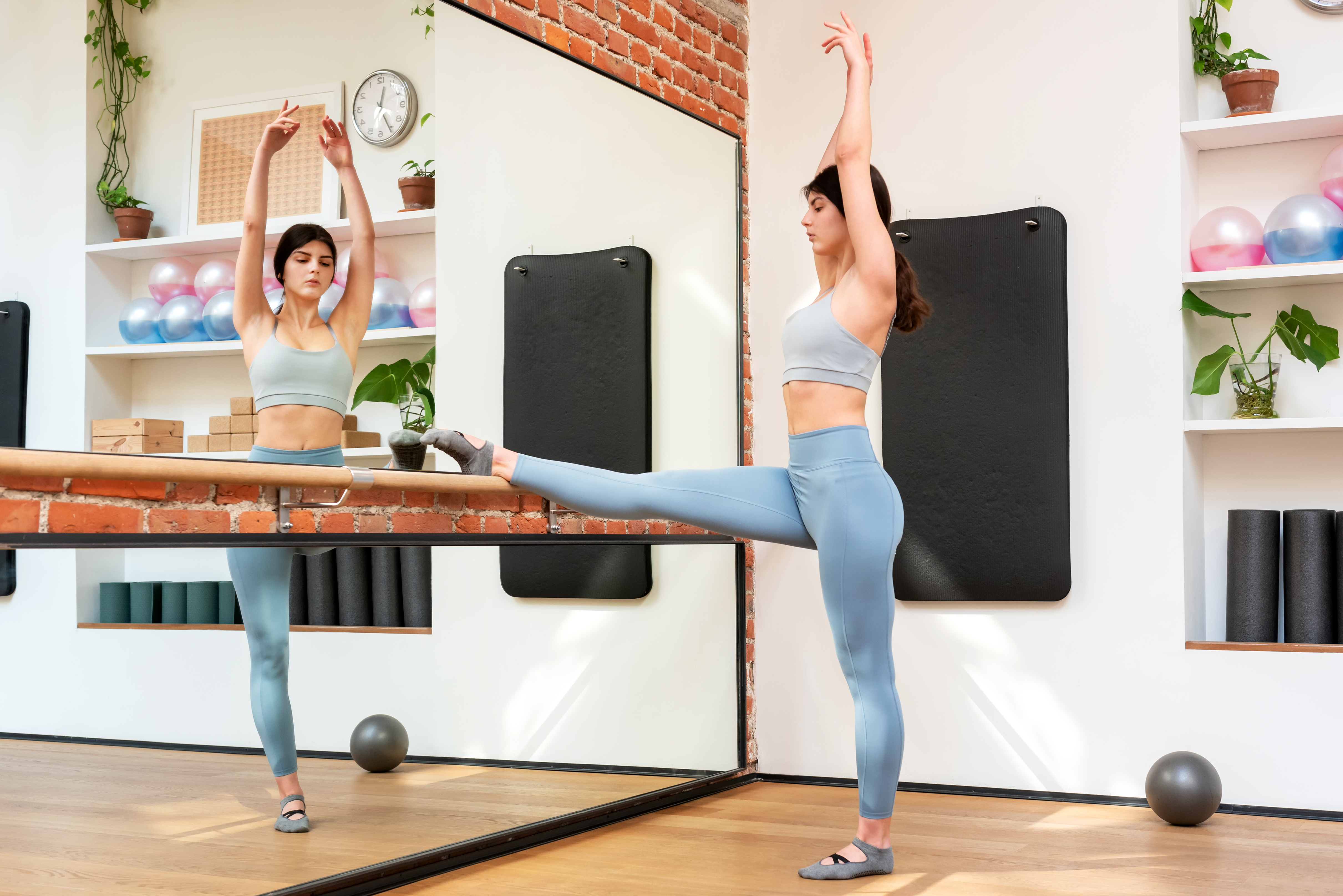
What Is Barre Pilates and How Does It Work
How does Barre Pilates distinguish itself from traditional Pilates or barre workouts?
Barre Pilates merges the controlled movements of Pilates with the dynamic flow of barre exercises, creating a unique fitness approach that promotes strength without restriction. Unlike rigid routines, it encourages fluidity and personal expression, allowing practitioners to engage their bodies freely while maintaining focus and alignment.
This method emphasizes small, precise movements centered around core activation and body awareness, fostering a sense of liberation rather than confinement LA Pilates Barre Pilates. By blending elements from both disciplines, Barre Pilates offers a versatile practice that adapts to individual needs and promotes an empowered connection to movement.
It appeals to those seeking a balanced workout that honors both discipline and freedom of motion, setting it apart from more traditional, structured classes.
How Barre Pilates Builds Strength, Flexibility, and Posture
Although often associated with grace and elegance, Barre Pilates fundamentally builds strength, flexibility, and posture through deliberate, controlled movements. By focusing on small, precise muscle engagements, it enhances muscular endurance and tone without bulk, promoting functional strength.
The exercises emphasize elongation and mobility, gently increasing joint range and muscle suppleness. Core activation is central, fostering spinal alignment and stability that extend beyond the studio.
Postural awareness is cultivated through mindful repetition, encouraging an upright, balanced frame that supports ease of movement and reduces strain. This practice empowers individuals to move freely and confidently, breaking away from rigid body ideals.
Ultimately, Barre Pilates offers a holistic approach to physical resilience, harmonizing strength, flexibility, and posture for authentic bodily freedom.
Can Barre Pilates Really Give You the “Dancer’s Body”?
The idea of achieving a “dancer’s body” through Barre Pilates is a common perception shaped by popular culture and fitness marketing. While Barre Pilates emphasizes long, lean muscles and improved posture, it does not guarantee the stereotypical dancer’s physique.
The practice enhances strength, flexibility, and body awareness, fostering a sense of physical freedom rather than adherence to a specific aesthetic. It encourages movement quality over appearance, promoting individual expression instead of conformity to an idealized image.
Barre Pilates supports a balanced, healthy body but does not fundamentally alter natural body shape or proportions. Ultimately, it offers tools for empowerment and wellness, allowing each person to move and feel their best without pressure to fit a narrow definition of beauty.
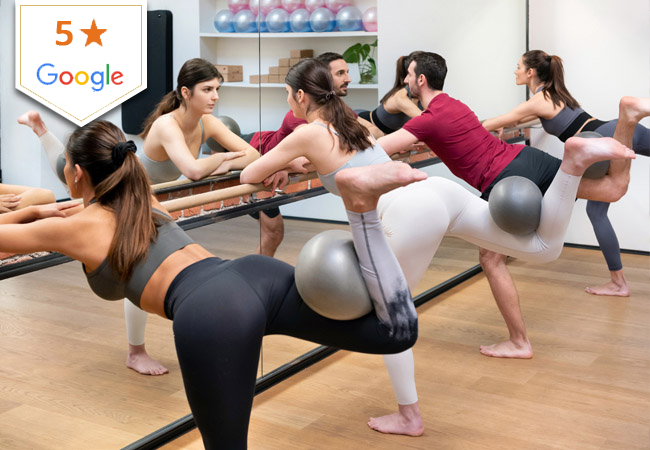
How Genetics and Body Type Affect Your Barre Pilates Results
Individual results from Barre Pilates are influenced considerably by genetics and inherent body type. While Barre Pilates enhances strength, flexibility, and posture, the visible outcome varies based on one’s natural physique. Genetics shape muscle distribution, bone structure, and metabolism, all of which affect how the body responds to exercise. Recognizing these differences allows individuals to appreciate their unique progress without unrealistic comparisons.
- Muscle Fiber Composition: Some inherit more slow-twitch fibers, favoring endurance and toned muscle rather than bulk.
- Bone Structure: Wider hips or narrower shoulders influence overall silhouette and how muscles appear.
- Fat Storage Patterns: Genetic predispositions determine where fat is stored and lost, impacting body contour.
Understanding these factors empowers freedom from fixed ideals, promoting a personal, authentic fitness journey.
Setting Realistic Goals for Your Barre Pilates Journey
When starting a Barre Pilates journey, establishing realistic goals is essential to maintain motivation and measure progress effectively. Recognizing that every individual’s body responds differently encourages setting personalized, attainable objectives rather than chasing an idealized “dancer’s body.”
Goals might focus on improved flexibility, core strength, or enhanced balance instead of conforming to external standards. This approach fosters a sense of freedom, allowing practitioners to appreciate their unique progress without feeling confined by unrealistic expectations.
Tracking small achievements over time promotes sustained engagement and self-compassion. Ultimately, embracing incremental growth within one’s own physical capabilities empowers individuals to enjoy Barre Pilates as a liberating practice, not a restrictive pursuit of a mythical physique.
Conclusion
Barre Pilates offers a balanced approach to improving strength, flexibility, and posture, blending elements of ballet and Pilates. While it enhances muscle tone and body awareness, the notion of achieving a stereotypical “dancer’s body” is influenced heavily by individual genetics and body type. Setting realistic goals and understanding personal limitations guarantees a sustainable and rewarding practice. Ultimately, barre Pilates supports overall fitness rather than conforming to a singular physical ideal.