

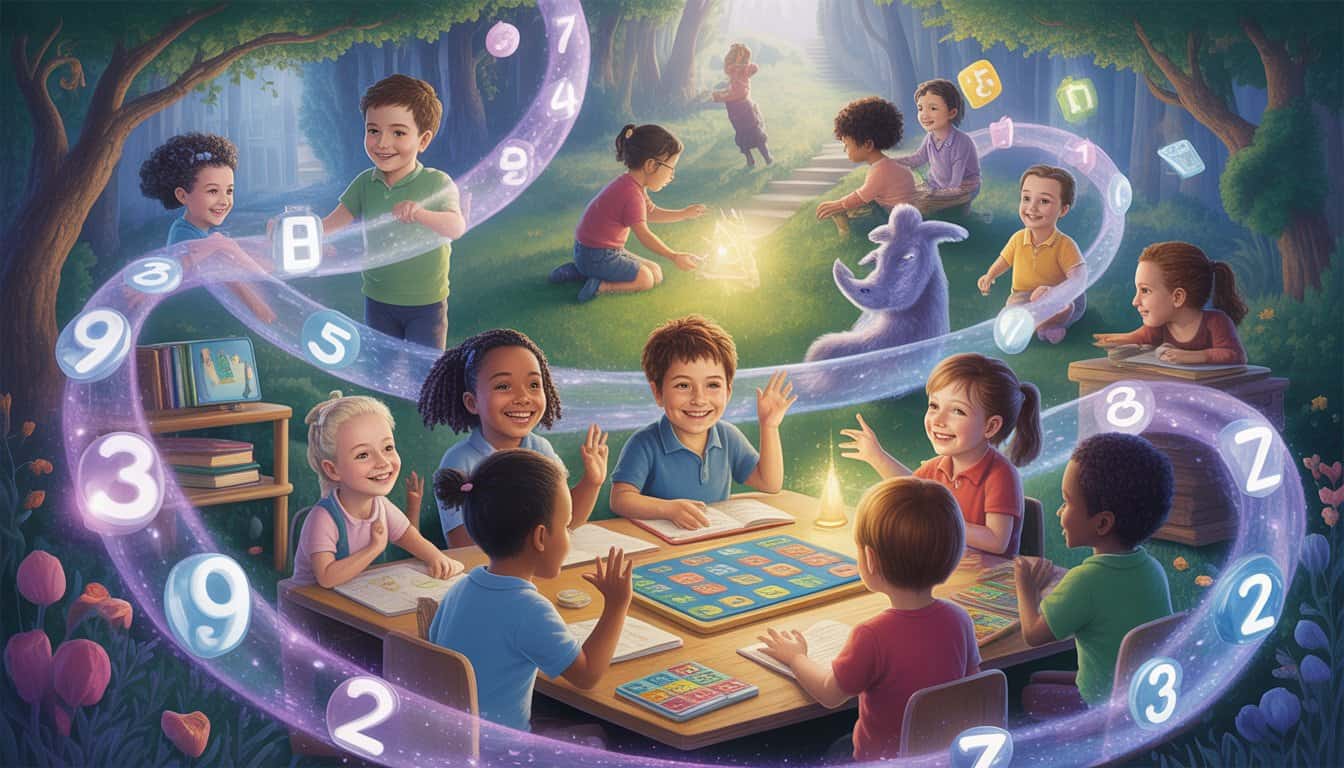
Educational games blend learning with fun, offering an effective way to engage students of all ages. They help build essential skills in subjects like math, reading, and logic while keeping children motivated through interactive play. These games can be tailored to various grade levels, making learning accessible and enjoyable whether at home or in the classroom.
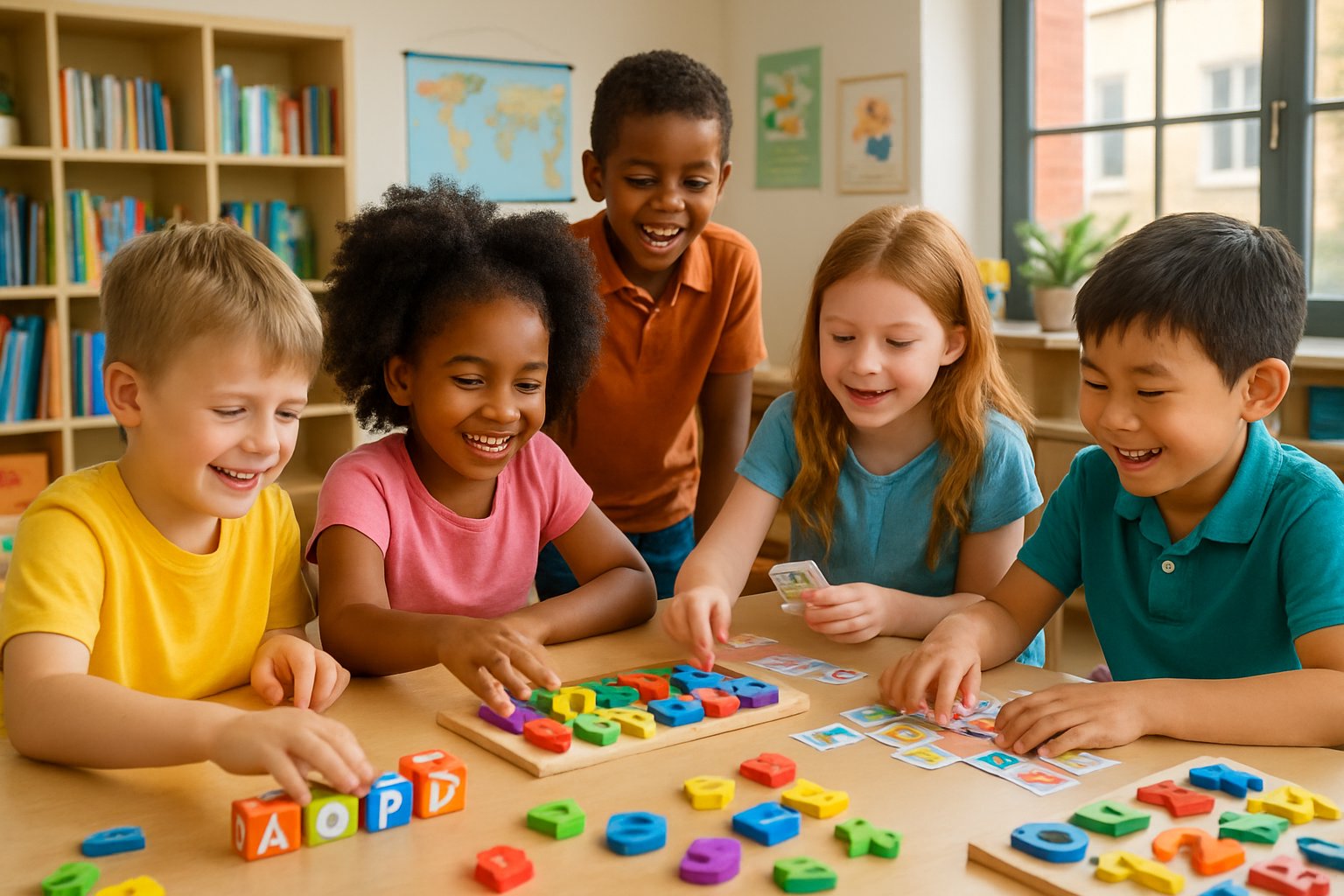
We often face challenges in keeping kids interested in traditional study methods. By using educational games, we tap into children’s natural curiosity and encourage active participation. This approach supports not only academic growth but also important cognitive skills such as problem-solving and critical thinking, making the learning process more dynamic.
Educational Games
Educational games help children develop skills like math, reading, typing, and logic in engaging ways. They cater to different grade levels and subjects, making learning interactive and enjoyable.
What are the best free Educational Games online?
We find that the best free educational games combine fun with learning across multiple subjects for grades PreK through 8. Platforms like ABCya! offer games focusing on math, reading, and typing suitable for younger kids.
Other sites like Turtle Diary provide more than 1,000 free games covering math, science, language arts, and geography. Education.com also offers a wide variety of games designed to support subject-specific skills like fractions and grammar.
Sites such as Poki and Helpful Games provide no-download, easy-access games that work on multiple devices, helping children learn anytime without barriers. These platforms ensure free access while maintaining educational value.
For a diverse range of interactive games tailored to specific learning goals, exploring these trusted sites allows us to choose quality resources effectively.
ABCya! | Turtle Diary | Education.com | Poki | Helpful Games
Video Games and Game-Based Learning
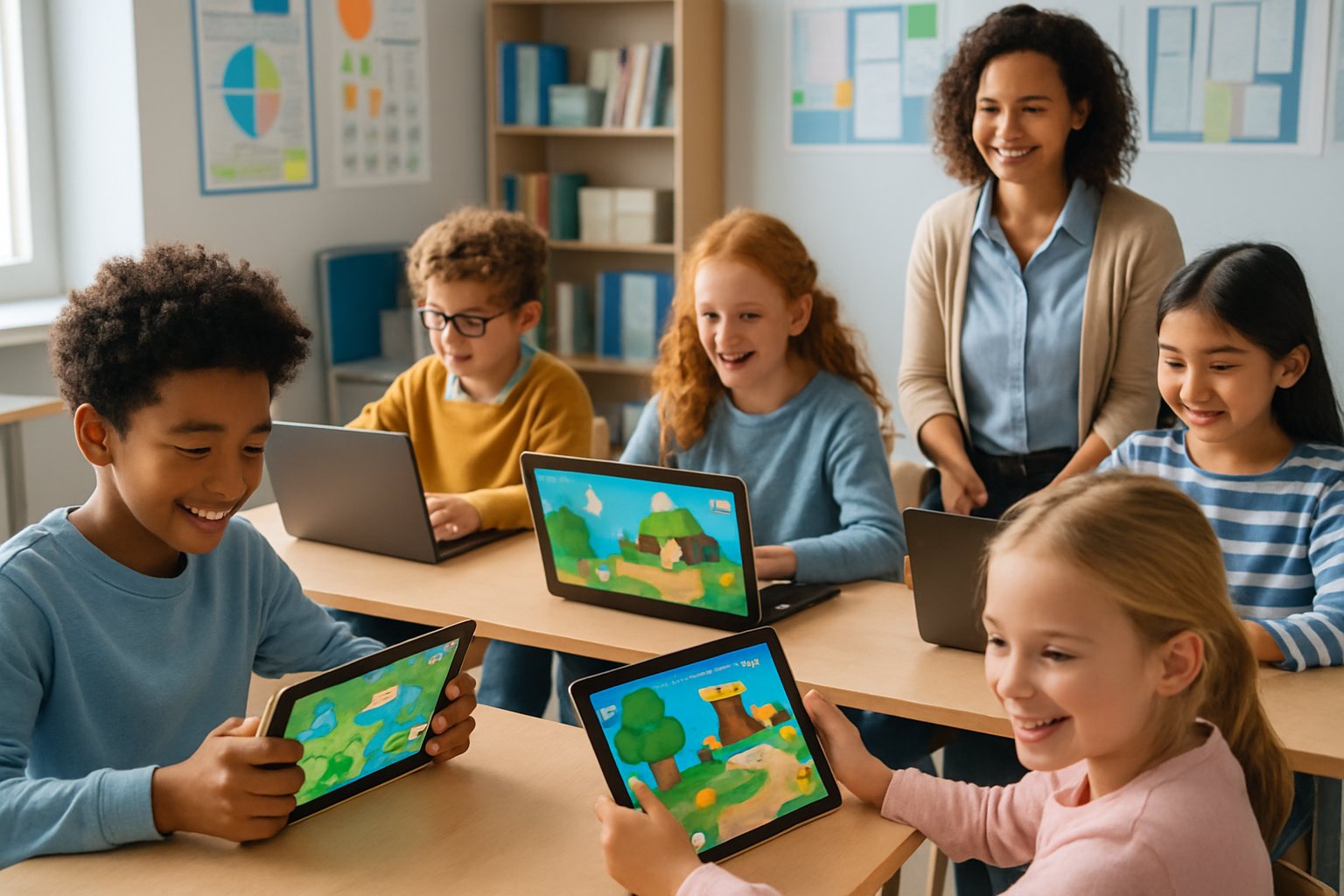
Video games offer immersive experiences that engage students actively. They combine challenge, feedback, and goal-setting to create a learning environment that aligns with educational objectives. Understanding how these elements work helps us apply games effectively in educational settings.
Theory
Game-based learning builds on theories of motivation and cognitive development. It leverages intrinsic motivation by encouraging exploration and problem-solving, fostering deeper understanding.
Key elements include:
- Immediate feedback: Helps learners adjust strategies and enhances retention.
- Goal-oriented tasks: Maintain focus and provide measurable progress.
- Autonomy: Learners control their choices, increasing engagement.
- Social interaction: Multiplayer or competitive aspects develop collaboration and communication skills.
This approach aligns with constructivist learning theories, where learners build knowledge through active participation. Research indicates games can improve both cognitive skills and emotional resilience by combining education with play.
Application
In practice, educators integrate video games that match curricular goals and skill levels. Choosing games that allow exploration without excessive distractions supports independent problem-solving.
We can categorize uses as:
| Application Area | Description | Example |
|---|---|---|
| Subject-specific learning | Games teach math, science, or language through tailored challenges. | Simulations for physics concepts |
| Skill development | Focus on critical thinking, memory, or collaboration skills. | Puzzle games requiring strategy |
| Esports and competition | Build teamwork and social-emotional skills aligned with academic standards. | School esports leagues |
Proper integration requires clear learning objectives and assessment methods. We must avoid relying on games’ entertainment value alone to motivate students but rather leverage their ability to foster active, guided learning.
More details can be found in the Edutopia article on video games in schools and the Harvard Graduate School of Education.
Educational Game Generator and Types
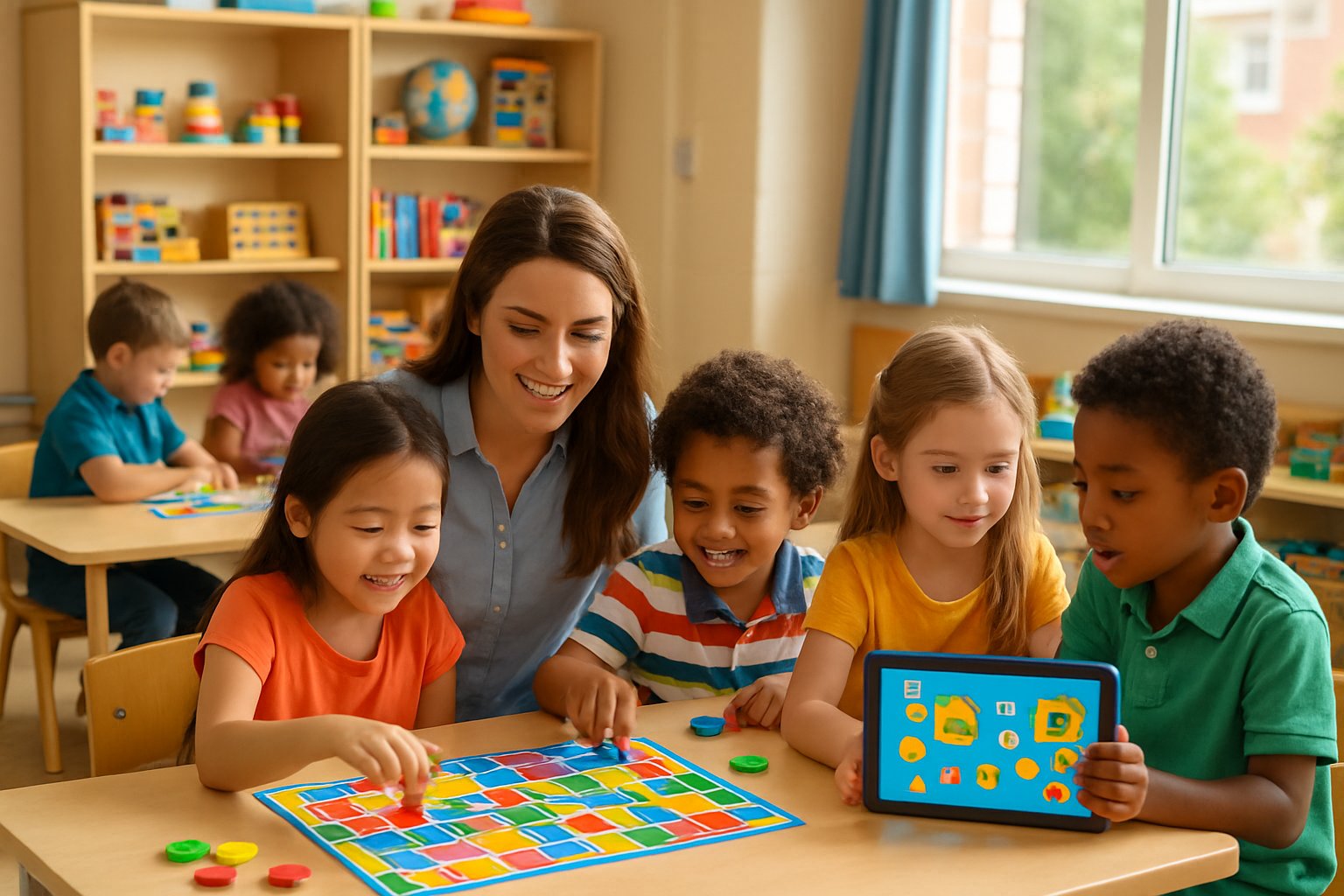
We use educational game generators to create varied interactive activities that reinforce learning in different ways. These tools allow us to customize content, making lessons more engaging and effective through formats suited to specific skills and knowledge areas.
Line Up
Line Up games require students to arrange items in a particular order. This could be chronological, numerical, or based on concepts such as size or importance.
The main purpose is to develop sequencing skills and understanding of relationships. For example, arranging historical events or math problems in ascending order helps students internalize the logic behind ordering processes.
Word Search Puzzle
Word Search puzzles have students locate and circle words hidden in a grid of letters. These can focus on vocabulary, spelling, or thematic terms.
They improve recognition and retention while enhancing pattern-finding abilities. We can tailor difficulty by adjusting word length, directions, or grid complexity, supporting learners at different levels.
Crossword Puzzle
Crossword puzzles ask students to fill in words based on clues. This strengthens spelling, vocabulary, and concept recall.
The clues encourage critical thinking and synthesis of information, making crosswords useful for language arts or content review across subjects.
Froggy Jumps
Froggy Jumps is an interactive game where learners help a character jump to correct answers. It combines movement with knowledge testing.
This approach captures attention and supports kinesthetic learners, reinforcing quick decision-making and correct concept identification through repetition.
Matching Pairs
Matching Pairs tasks ask us to link related items, such as words with definitions or images with concepts.
They sharpen memory and associations by requiring simultaneous recall of two connected pieces of information. This format suits vocabulary building and fact reinforcement.
Quiz
Quizzes test knowledge through multiple choice, true/false, or short answer questions. They provide immediate feedback, allowing us to assess understanding quickly.
We can customize quizzes to cover specific topics, adjust difficulty, and track progress, making them versatile for any subject area.
Fill in the Blanks
Fill in the Blanks require students to complete sentences or statements with missing words. This enhances contextual understanding and precise vocabulary use.
This format promotes active recall and ensures learners grasp sentence structure and concept details.
Alphabet
Alphabet games focus on letter recognition, order, and phonics. Activities might include arranging letters or identifying sounds.
They build foundational literacy skills essential for early learners, reinforcing familiarity with the alphabet’s sequence and sounds.
Map Quiz
Map Quizzes engage students in identifying geographic locations on maps. This includes countries, capitals, landmarks, or physical features.
They develop spatial awareness and geographic knowledge through interactive testing and memorization.
Memory
Memory games challenge us to recall and match pairs from a set of cards. They foster concentration and cognitive retention.
This classic format strengthens short-term and working memory, which benefits overall learning and attention skills.
Matching
Matching tasks involve pairing concepts, terms, or images that correspond with each other. This tests associative memory and understanding.
We use this format to reinforce vocabulary, definitions, or cause-effect relationships in a straightforward, engaging way.
Unscramble Letters
Unscramble Letters games require rearranging jumbled letters to form correct words. This enhances spelling and word recognition.
By manipulating letters, students deepen understanding of word structure and phoneme-grapheme connections.
Video Quiz
Video Quizzes integrate short videos followed by questions based on the content. They combine visual and auditory learning with assessment.
This method increases engagement with multimedia and tests comprehension in real-time, suitable for diverse learning styles.
Yes or No
Yes or No games simplify decision-making tasks by requiring binary answers to questions or statements.
They promote quick reasoning and help check basic understanding or factual knowledge efficiently.
Unscramble Words
Unscramble Words challenges learners to reorder letters or words to form meaningful phrases or sentences.
This strengthens grammar, syntax, and vocabulary while encouraging problem-solving skills.
Riddle
Riddle games ask students to solve puzzles using clues or wordplay. They enhance critical thinking and creative reasoning.
Riddles engage higher-order thinking and encourage learners to apply knowledge in novel ways.
Slideshow
Slideshow activities present information in sequential slides, often paired with interactive questions or prompts.
They facilitate step-by-step explanations, useful for reviewing concepts or storytelling in educational contexts.
Dictation
Dictation exercises involve listening to spoken words or sentences and writing them down accurately.
This practice improves listening skills, spelling, and attention to detail, essential for language acquisition.
Dialogue
Dialogue games simulate conversations where learners respond or interact using set phrases or vocabulary.
They support communication skills, practical language use, and social interaction, beneficial in language learning environments.
Benefits of Educational Games
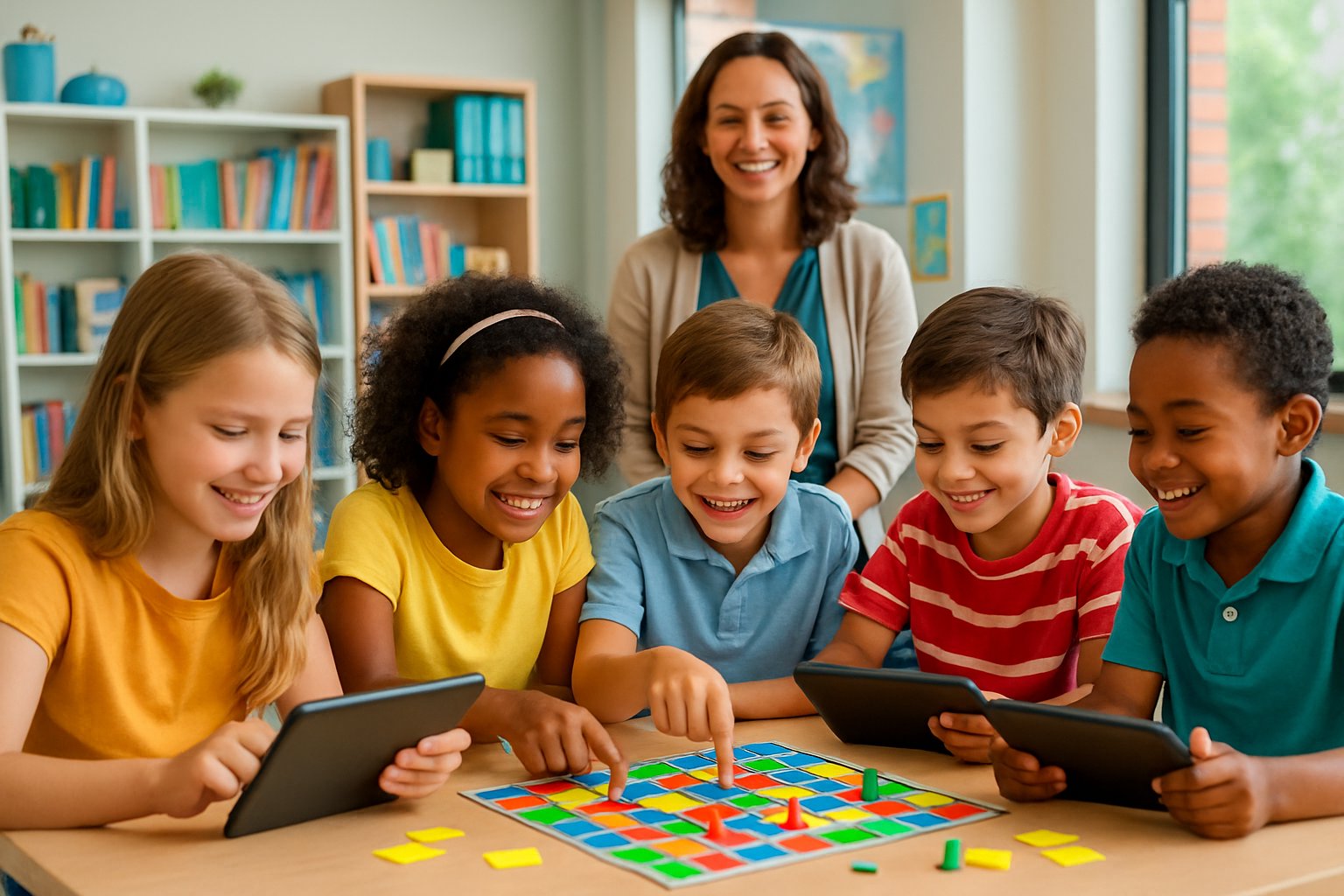
Educational games create an interactive learning environment that enhances our experience by involving multiple skills and emotional aspects. They promote deeper understanding and provide practical learning opportunities beyond traditional methods.
Active Engagement
Educational games require our active participation, which sharpens focus and sustains attention better than passive activities like lectures or reading. This involvement uses problem-solving and critical thinking, helping us apply knowledge practically.
Because games are designed to respond to our choices, they encourage immediate feedback and adjustment. This dynamic interaction makes learning more meaningful and less repetitive, keeping us invested in the material for longer periods.
The hands-on nature of games also fosters collaboration and communication when played in groups, strengthening social learning. Active engagement ensures we are not just receiving information but are involved in constructing our understanding.
Motivation Boost
Games provide clear goals, challenges, and reward systems that motivate us to progress. Achievements, scores, and levels tap into our natural desire for accomplishment and recognition.
The sense of competition—either with ourselves or others—can increase persistence in learning tasks often considered difficult or tedious. This motivation can turn challenging subjects into enjoyable experiences.
Additionally, educational games often allow personalization, making the learning experience relevant to our interests and pace. This tailored approach keeps motivation high, encouraging continued effort and curiosity.
Improved Retention
Learning through games enhances memory retention by combining visual, auditory, and kinesthetic inputs. This multi-sensory approach strengthens neural connections and makes recalling information easier.
The repetitive practice of skills within a game context reinforces knowledge without feeling monotonous. When we solve problems or receive immediate feedback, the learning becomes more durable.
Games also often involve storytelling or scenarios, linking information with emotions and narratives. This connection helps anchor facts in our memory more effectively than rote memorization techniques.
Creativity Stimulation
Educational games encourage us to think outside standard patterns by presenting open-ended challenges or multiple solutions. This invites exploration and experimentation, fostering creative problem-solving skills.
Some games allow customization or building aspects, where we design characters, stories, or environments. This creative freedom promotes innovation and original thinking.
By removing fear of failure—since games permit retries without negative consequences—educational games create a safe space for trying new approaches. This aspect supports flexible thinking and adaptability.
Confidence Building
Successfully navigating game challenges boosts our self-confidence and sense of competence. The incremental difficulty levels allow us to experience mastery progressively.
Winning rewards or unlocking new content serves as tangible proof of our skills. This positive reinforcement increases our willingness to take on new learning tasks.
Moreover, games teach us to learn from failures without judgment, helping us develop a growth mindset. This resilience transfers to academic and real-world challenges.
Stress Reduction
Educational games often create engaging yet relaxed settings, reducing anxiety around learning. The playful environment shifts focus from pressure to enjoyment.
By providing immediate feedback and clear next steps, games help diminish uncertainty that can cause stress. This clarity makes learning more manageable.
When playing games collaboratively, social support is enhanced, which further lowers stress levels. Less stress improves our capacity to absorb and apply new information effectively.
For more insights on the benefits of educational games, see the detailed discussion on the advantages of incorporating games in the classroom.
Educational Tools and Support
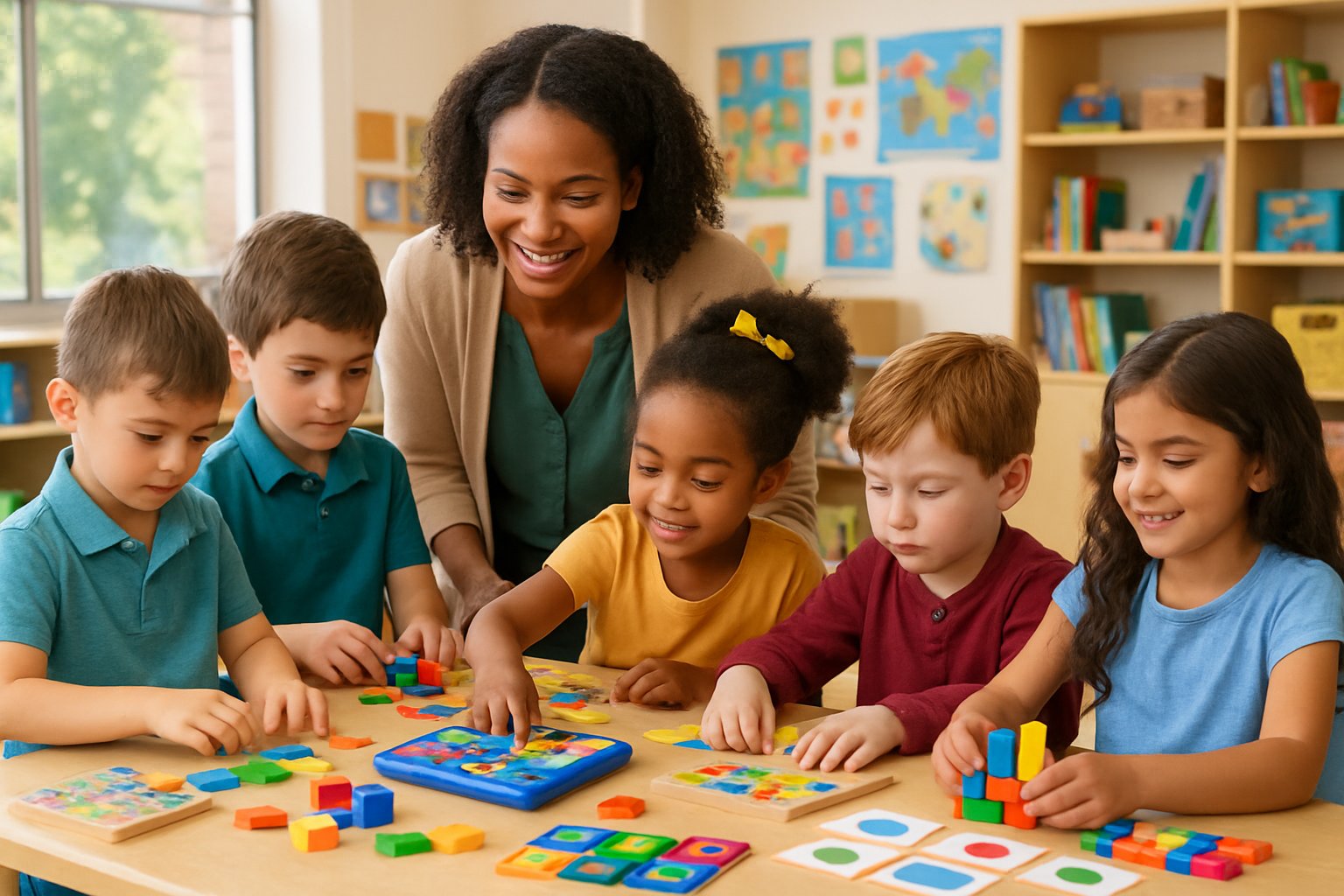
We rely on a range of tools designed to streamline classroom management and enhance communication. These technologies support both the organization of student data and active engagement between educators, students, and parents.
Student Management Tools
Student management platforms help us track attendance, behavior, and academic progress efficiently. These tools centralize records, making data easily accessible for planning and intervention.
Features often include grade books, assignment tracking, and communication hubs. Automated notifications keep students and parents informed about deadlines and classroom updates.
Using integrated dashboards, we monitor student performance trends, which assists in early identification of learning challenges. This reduces administrative burden and promotes timely support tailored to individual needs.
Educational Tools for Parents & Teachers
Educational tools foster collaboration between teachers and parents, enabling consistent support for student learning. Communication apps and portals provide real-time updates on assignments and classroom activities.
Parents can engage directly with teachers through messaging platforms, enhancing transparency about student progress. Tools often include resources for at-home learning reinforcement and personalized feedback.
For teachers, these tools simplify lesson planning and resource sharing while offering insights into student engagement levels. The combined use of interactive platforms and messaging systems strengthens the educational support network around each student.
For practical options, we can explore popular digital education tools for teachers and students that improve both communication and academic administration.